Journal/October 27, 2026
Why the Mona Lisa Is Free to Use (and a Picasso Isn't)
Copyright on paintings runs out. Here is when, why the photo of a painting matters as much as the painting, and how we pick the works in Guess the Painting.
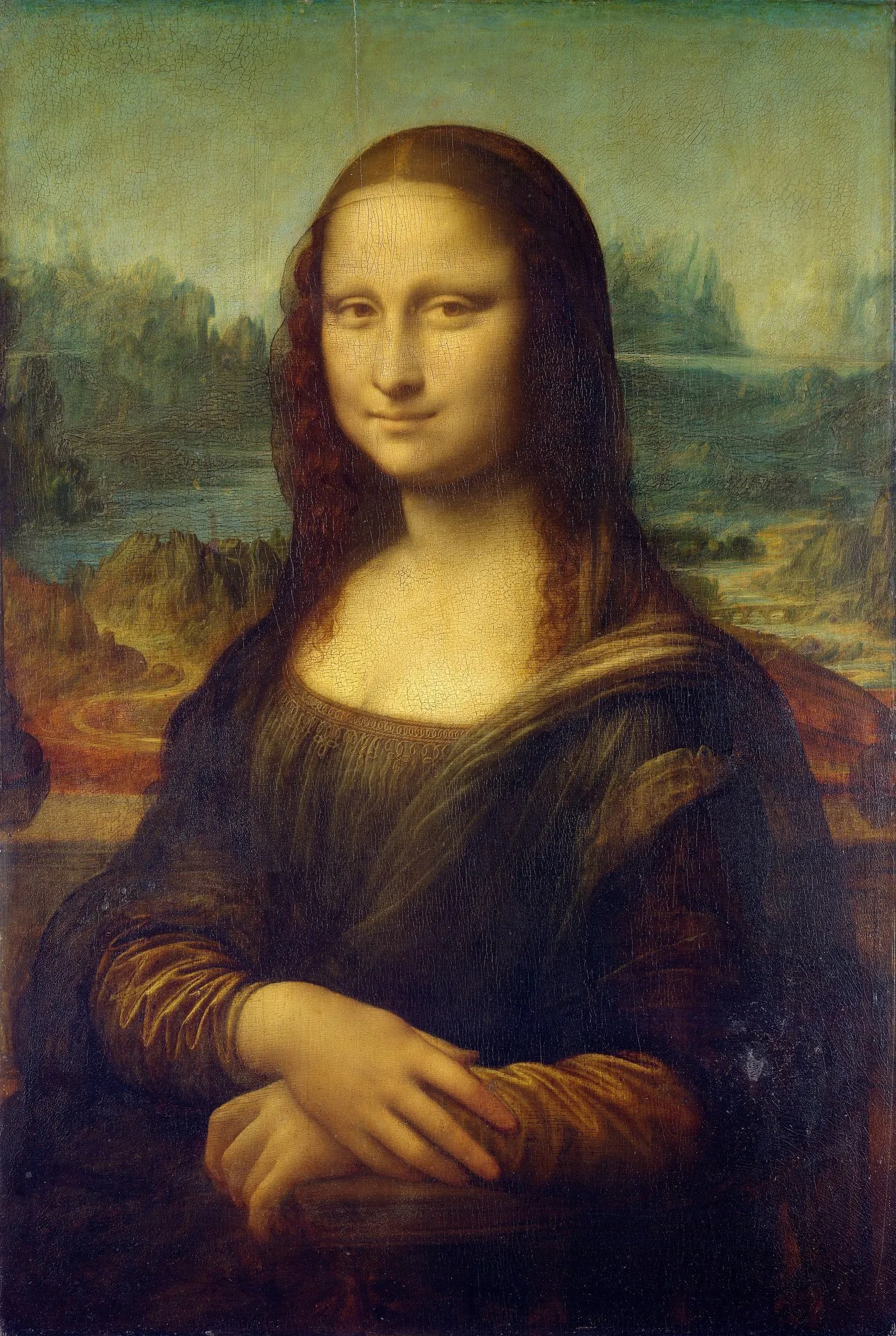
Every painting in Guess the Painting is free for anyone to copy, print and remix. The reason is simple: copyright on art runs out, and when it does the work joins the public domain, which belongs to everyone. Here is how that works, and why some paintings you’d expect to see are missing.
Copyright expires
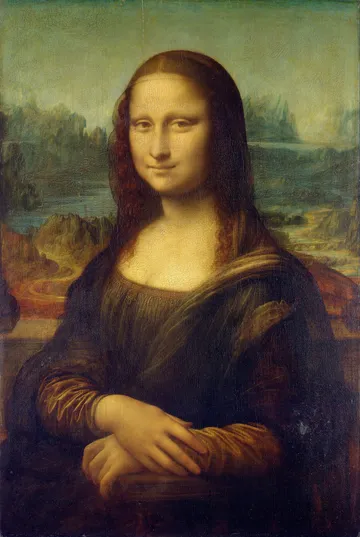
In most of the world, a painting stays under copyright for the artist’s whole life plus a fixed number of years. In the European Union, the UK and Switzerland that is 70 years, counted from the end of the year the artist died. Leonardo da Vinci died in 1519, so the Mona Lisa has been in the public domain for centuries.
The rule is different in the United States, where the clock usually starts when a work is published or shown. Anything published more than 95 years ago is now public domain there. That is why Grant Wood’s American Gothic, shown in Chicago in 1930, became public domain in the US on January 1, 2026. Wood died in 1942, so it had already been free in Europe for years. (You won’t find it in Guess the Painting yet, though. More on that below.)
Why Picasso isn’t here
Pablo Picasso died in 1973. His work stays under copyright in Europe until the end of 2043. The same goes for Salvador Dalí, René Magritte, Henri Matisse, Edward Hopper, Frida Kahlo and many more favorites from the twentieth century.
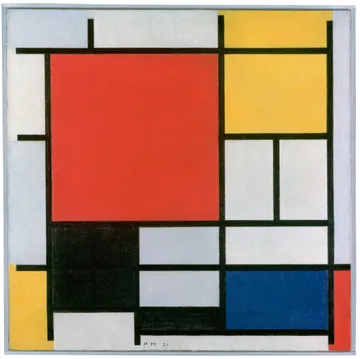
We play it safer than the law requires. Guess the Painting only includes artists who died before 1954, and the site literally refuses to build if a painting breaks that rule. Piet Mondrian (died 1944) is in. Matisse, who died in November 1954, has to wait.
The painting is free, but is the photo?
This is the part most people miss. A museum photographs a public-domain painting, and the photographer could in principle claim rights in that photo. Courts in the US and, since 2019, EU law say a faithful photo of a flat, public-domain artwork creates no new copyright. Not every country agrees, though, and some museums still claim rights in their photos.
So we only include a painting when nobody could claim rights in its photo:
- The museum releases the image itself. The Metropolitan Museum of Art, the Art Institute of Chicago, the National Gallery of Art in Washington, the Rijksmuseum and the Cleveland Museum of Art publish their public-domain images under CC0, which means “no rights reserved”. We check each painting on the museum’s own record, not just its general policy.
- Or the museum is in a country whose law rules out such a claim. Since 2019, EU law states that a faithful photo of a public-domain artwork carries no rights at all. We leave out Italy, though, where a separate heritage law charges fees for commercial reproductions of state-owned works.
That rule costs us some favorites. The Starry Night (MoMA), The Scream (Oslo) and everything in London’s National Gallery are missing. The paintings themselves are free, but their owners claim rights in the photos, and the law in those places is unclear. American Gothic is missing for a similar reason: the Art Institute of Chicago hasn’t marked it as public domain on its own site yet. When it does, it goes in. The pictures themselves come from the museums’ own releases or from Wikimedia Commons files marked PD-Art or CC0.
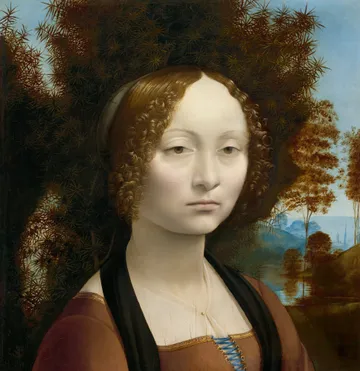
Every painting page links to the exact file we used and to the museum that owns the original. Leonardo’s Ginevra de’ Benci, the only Leonardo painting in the Americas, comes straight from the National Gallery of Art’s open-access collection.
What you can do with them
Public domain means you can use these images however you like: print a poster, put one on a T-shirt, cut one up for a collage. You don’t need permission and you don’t have to pay. Crediting the museum isn’t required, but it is a nice thing to do.
And if you’d rather test your eye than read about law, see how many paintings you can name in a row.